
How to Choose the Right Golf Driving Range Mat for Your Facility
When building or upgrading a golf driving range, choosing the right hitting mat is an important decision. A golf mat is used thousands of times during its service life. A good commercial mat should not only look like real grass, but also provide a comfortable hitting experience, stable performance, and long service life.
For golf clubs, driving ranges, and training facilities, the cheapest option is not always the best choice. The right mat can help reduce replacement costs and improve the experience for golfers.
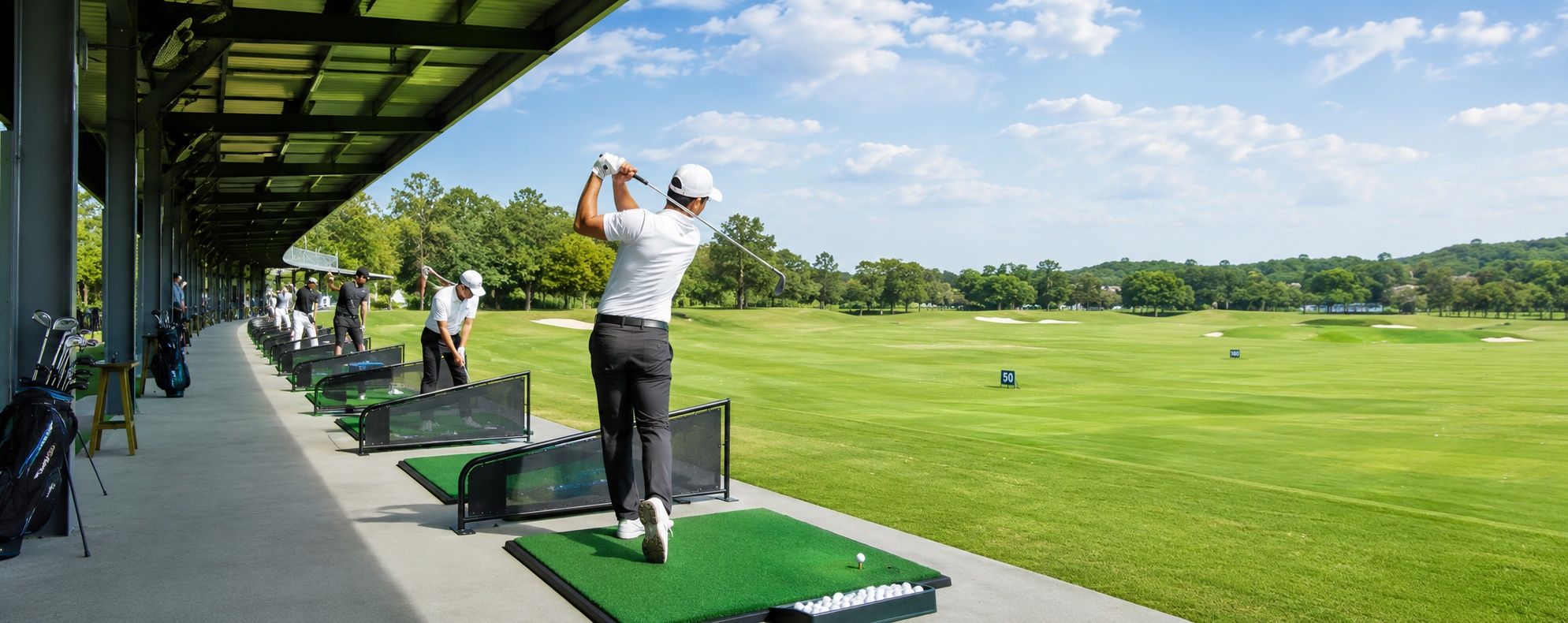
1. Consider How Often the Mat Will Be Used
The first question is:
How many golfers will use the mat every day?
A home practice mat and a commercial driving range mat have very different requirements.
For example:
Home use: occasional practice
Golf academy: daily lessons
Driving range: hundreds of shots every day
For commercial facilities, the mat needs to handle repeated iron shots, tee insertion, foot pressure, and outdoor weather conditions.
A heavy-duty golf mat should be designed for long-term daily use, not only for appearance when new.
2. Choose the Right Turf Material: Nylon or PP?
The turf material is one of the most important parts of a golf hitting mat.
Nylon Turf
Nylon is widely used for professional and commercial golf mats because it provides:
Better wear resistance
Better fiber recovery
More realistic hitting feel
Longer service life
It is suitable for:
Driving ranges
Golf clubs
Golf academies
Commercial simulator facilities
https://www.billiongreen.com/product/premium-commercial-hitting-mats.html
PP Turf
PP turf is a more economical choice and can work well for:
Light commercial use
Training areas
Budget projects
However, for high-frequency use, nylon turf usually provides better long-term performance.
3. Pay Attention to the Backing Structure
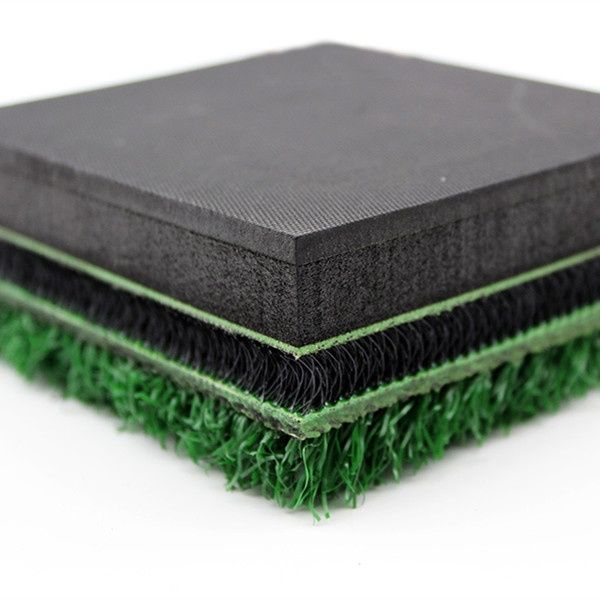
A quality golf mat is not only about the grass surface.The layers underneath are also important.
A commercial golf mat usually includes:
Turf Layer
Provides the hitting surface and grass feel.
Shock Absorption Layer
Helps reduce impact from iron shots and improves player comfort.
Base Layer
Provides stability and prevents the mat from moving during swings.
A well-designed backing system can help reduce vibration transferred to golfers' wrists and elbows during repeated practice.
4. Thickness Is Important, But Construction Matters More
Many buyers think a thicker mat is always better. However, total thickness alone does not determine quality. A 40mm mat with a poor backing structure may not perform better than a 30mm professional construction.
The combination of:
Turf quality
Fiber density
Shock absorption material
Base stability
determines the real performance of the mat.
5. Choose the Correct Size for Your Facility
The right size depends on your application.
Common sizes include:
1.5m x 1.5m: standard hitting station
Larger custom sizes: multiple player areas or tee lines
For driving ranges, larger connected layouts can create a cleaner and more professional appearance.
6. Questions to Ask Before Buying Golf Mats
Before placing a bulk order, we recommend checking:
✔ Where will the mats be installed? Indoor or outdoor?
✔ How many golfers will use each mat daily?
✔ What type of shots will be practiced? Driver, iron, or both?
✔ Is shock absorption important for player comfort?
✔ Does the supplier provide samples before bulk production?
Final Thoughts
Choosing a golf driving range mat is a long-term investment.
A suitable commercial golf mat should provide:
Durable turf performance
Realistic hitting feedback
Comfortable impact absorption
Stable performance under daily use
For golf facilities, selecting the right mat at the beginning can reduce replacement costs and provide a better experience for golfers.